
A vegetable grower needs a soil conditioner that spreads evenly and can be worked into the ground before planting. A soil yard needs a material it can blend reliably and consistently with other products. Both need to know the next delivery will have the same characteristics as the last, even when the mix of food and garden organics coming into the facility changes with the season.
“For us, quality goes well beyond basic standard compliance,” says David Clark, Valoriza’s Executive General Manager, Technical. “Commercial food growers evaluate a soil conditioner on its overall agronomic performance, biological safety, and batch-to-batch reliability.”
What quality looks like in the finished product
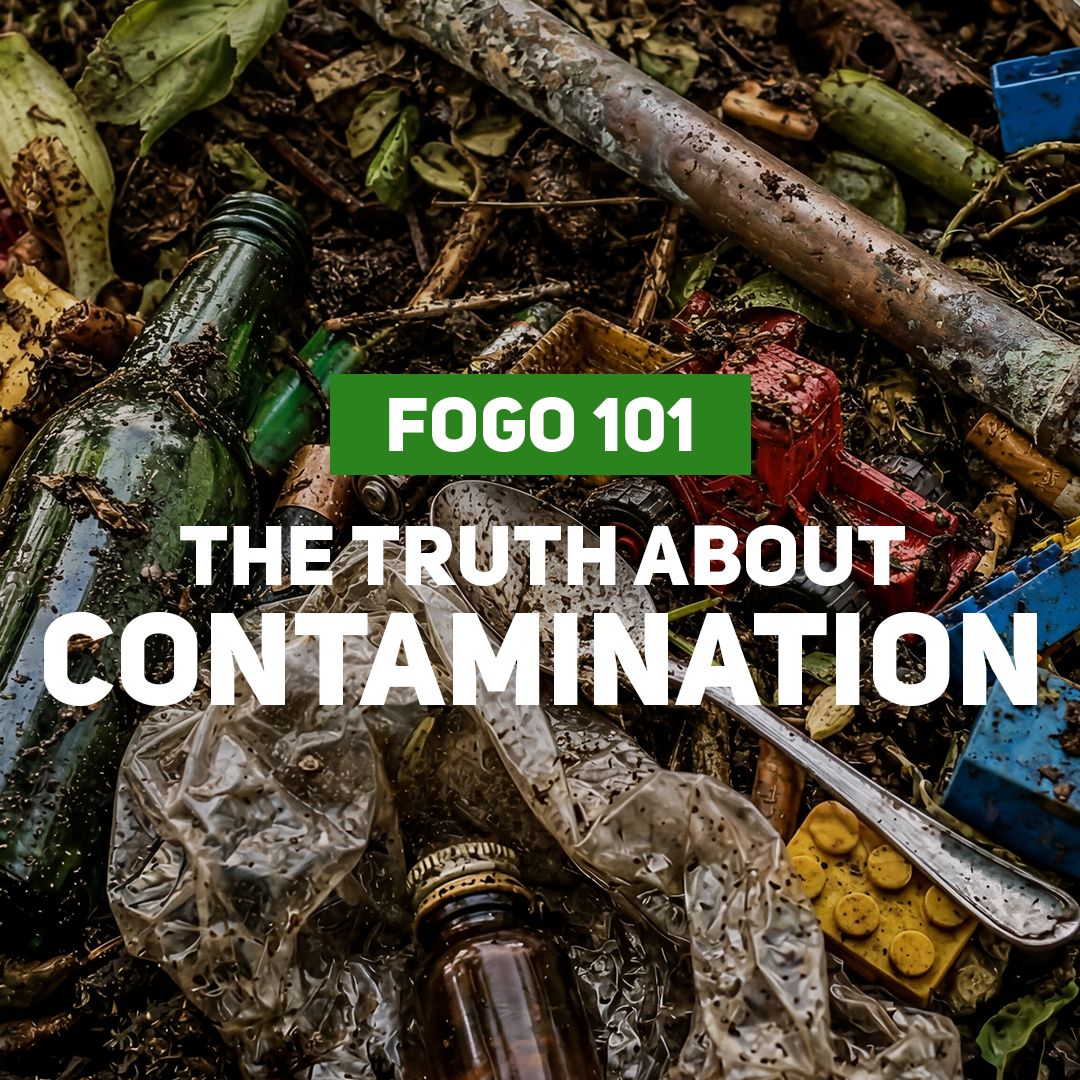
Australian Standard AS 4454 sets baseline requirements for composts, soil conditioners and mulches. For commercial users, the application also shapes what they look for. Particle size and moisture affect how easily the material blends and spreads. Salinity and pH matter for crop and soil suitability, while stable organic matter can help improve soil structure and water retention. Physical contaminants such as plastics, glass and metal also need to be controlled to protect soils and application equipment.
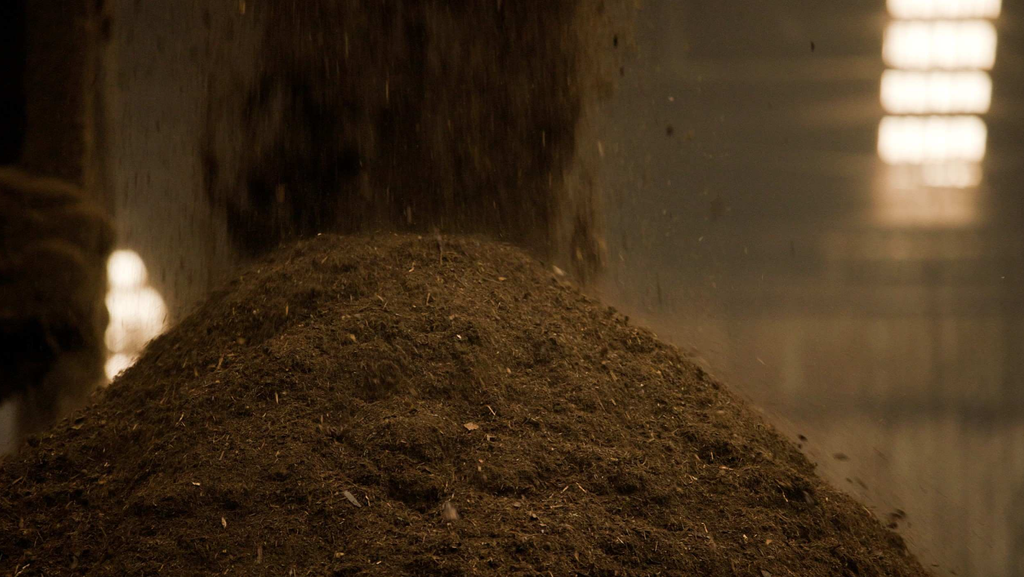
“Product consistency brings these elements together by delivering predictable bulk density, tailored particle size distribution, and consistent moisture content to ensure seamless blending, mechanical spreading, and reliable water-holding performance across varying soil types,” David says.
Quality starts before shredding
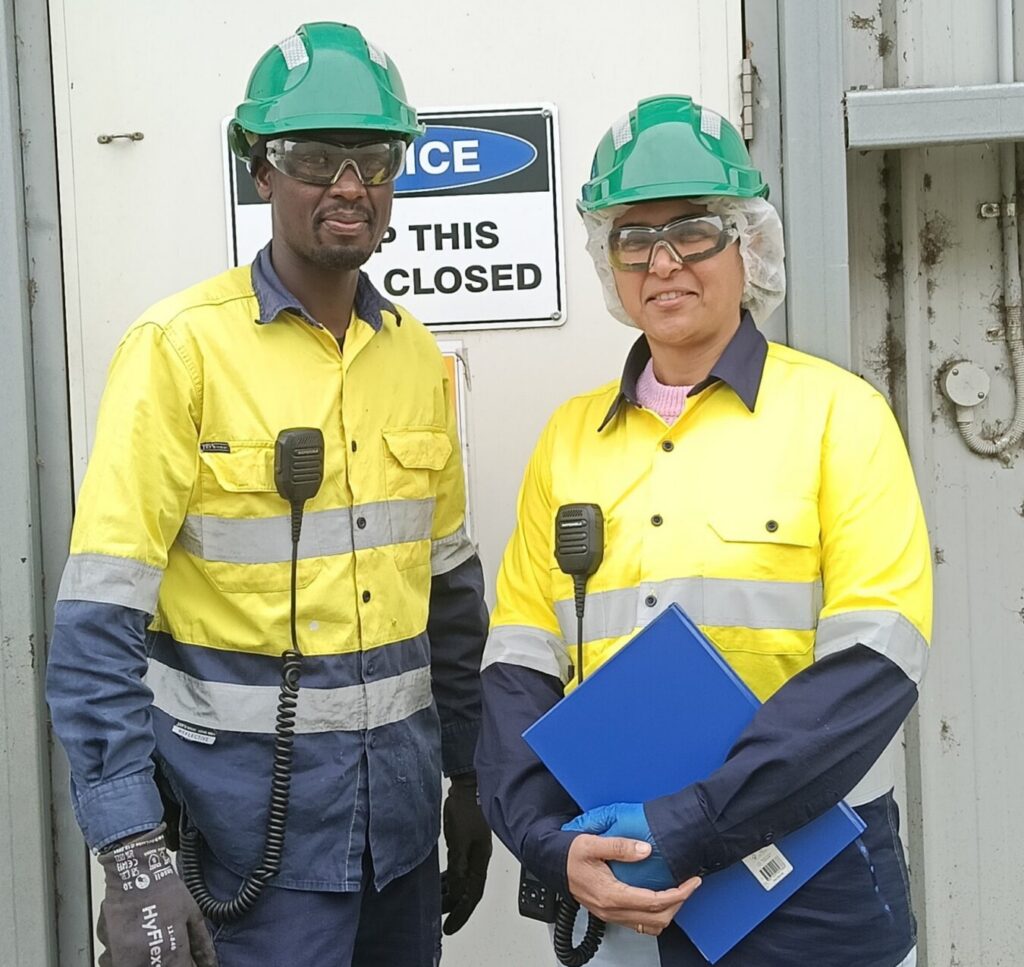
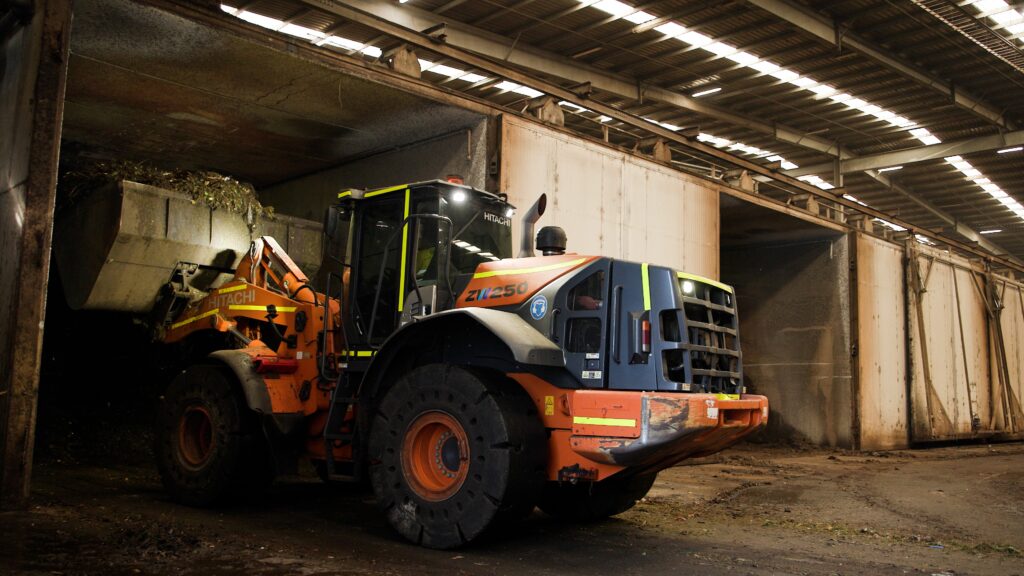
At Dandenong South, Valoriza inspects incoming food organics and garden organics (FOGO) and commercial food waste against our acceptance criteria. Operators on the receival floor remove visible contaminants such as plastic film and metal before the material reaches the primary shredder, where those items can break into fragments that are harder to remove through screening.
“Receiving clean FOGO and commercial organics gives our facility the best possible foundation for producing a clean, commercially valuable soil conditioner,” David says.
“Achieving this requires a two-pronged approach that combines community education with real operational gate controls.”
Valoriza works with council customers on household education and contamination audits. For businesses supplying food waste, separating organics from packaging at the source ensures keep those incoming loads are clean.
How Valoriza manages seasonal variation
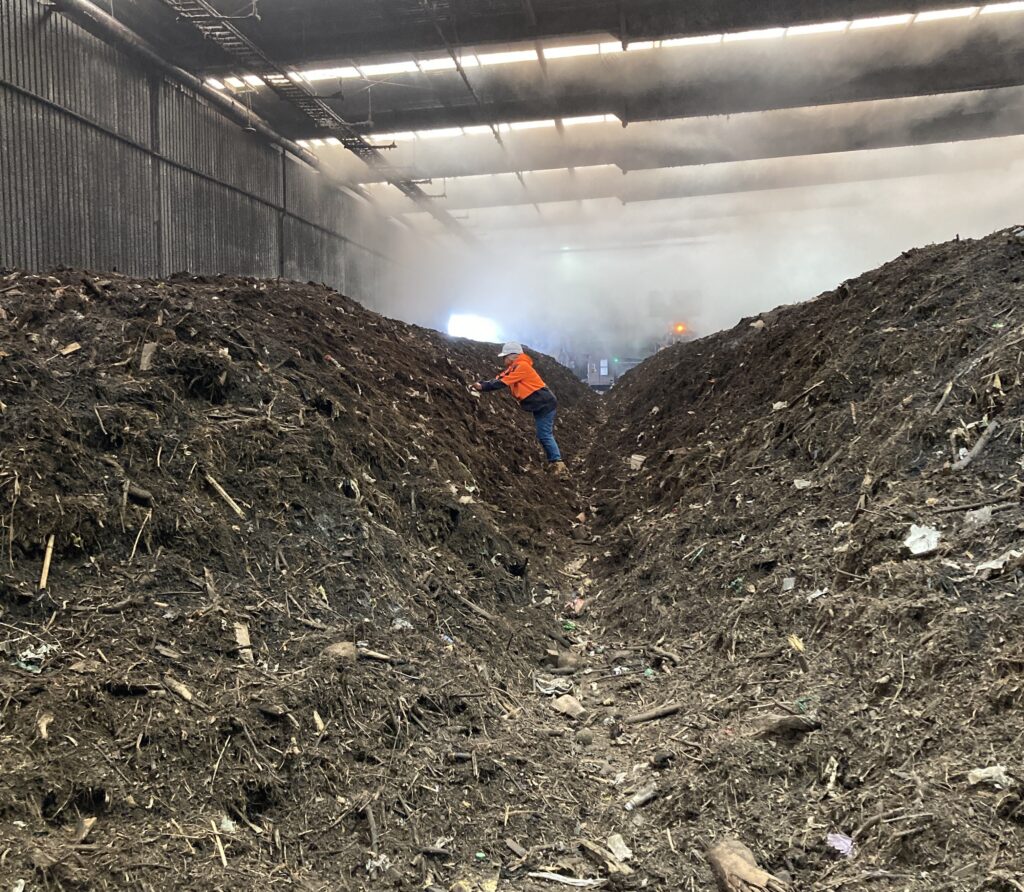
Wet, food-heavy material can compact in composting tunnels and restrict airflow. Dry garden organics can need added water and blending with nitrogen-rich material such as commercial food waste. Operators adjust the mix as conditions change, using coarser organic material where needed to create space for air to move through the composting bed.
“Operational decisions and recipe adjustments are made continuously based on these real-time physical observations,” David says.
Operators track batches through composting, logging conditions such as temperature and oxygen and adjusting forced aeration to suit the material. After active composting, the material cures to allow it to mature and stabilise before final screening. Valoriza also routinely sends samples for independent laboratory testing against AS 4454 and relevant regulatory requirements.
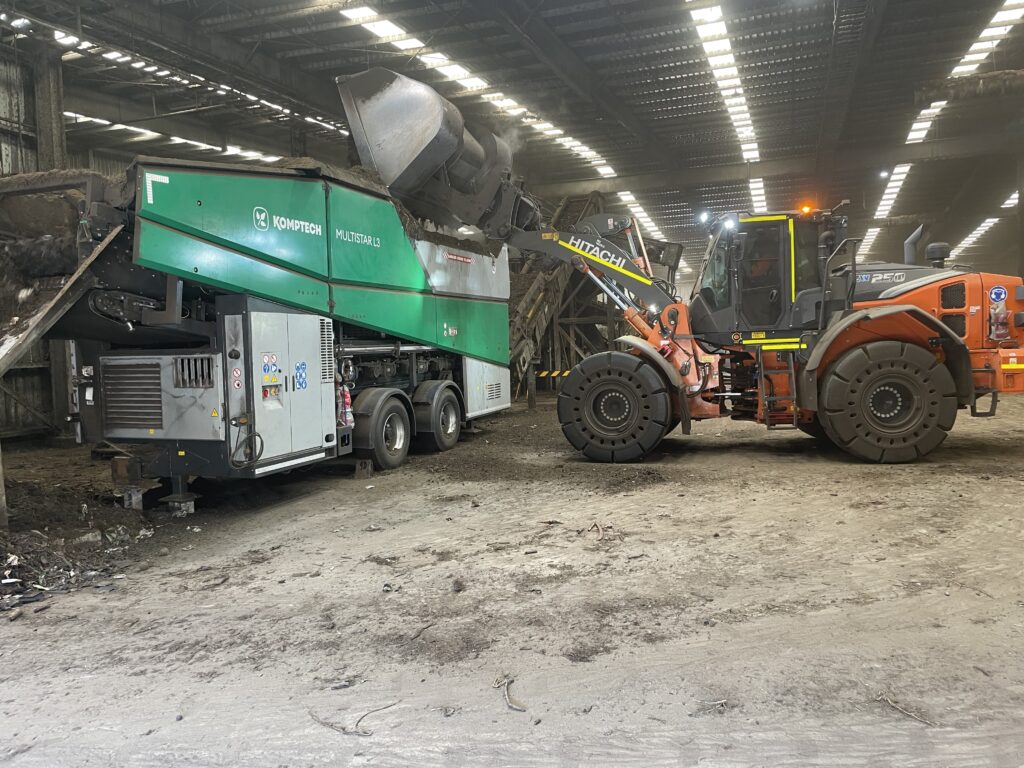
David points to Valoriza’s investment in a Komptech Multistar L3 screener as one practical improvement: “The equipment was introduced to improve screening performance, particularly when dealing with wetter and more variable FOGO feedstock, and to support the production of a consistent, quality-assured soil conditioner.”
How growers help define quality
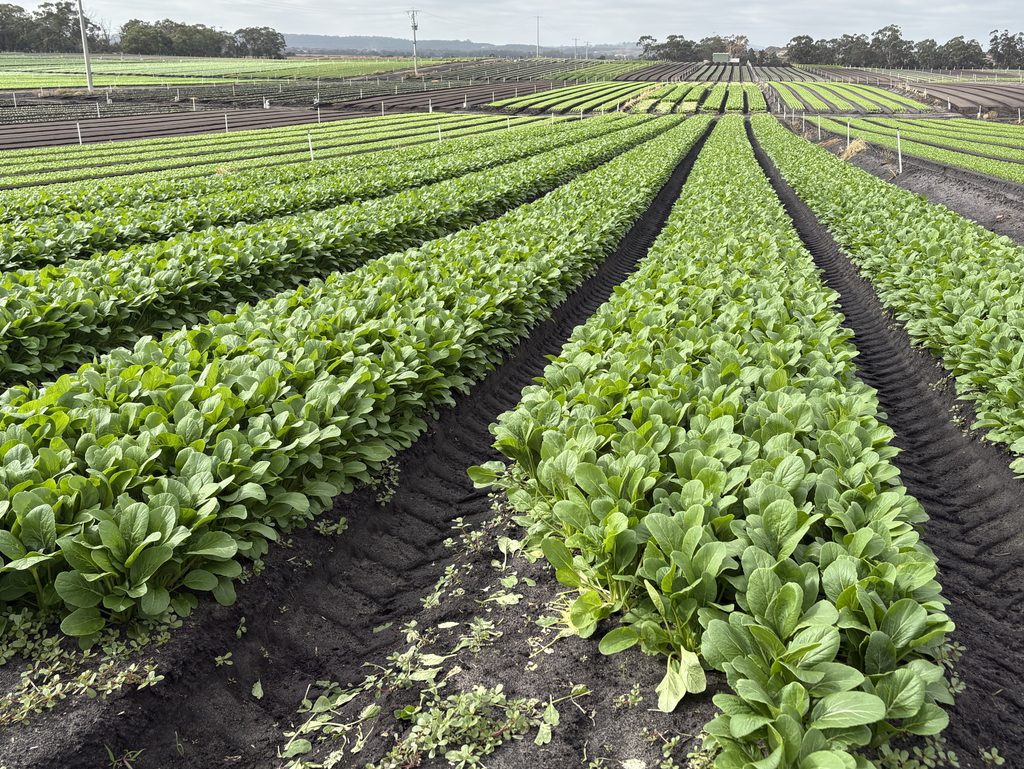
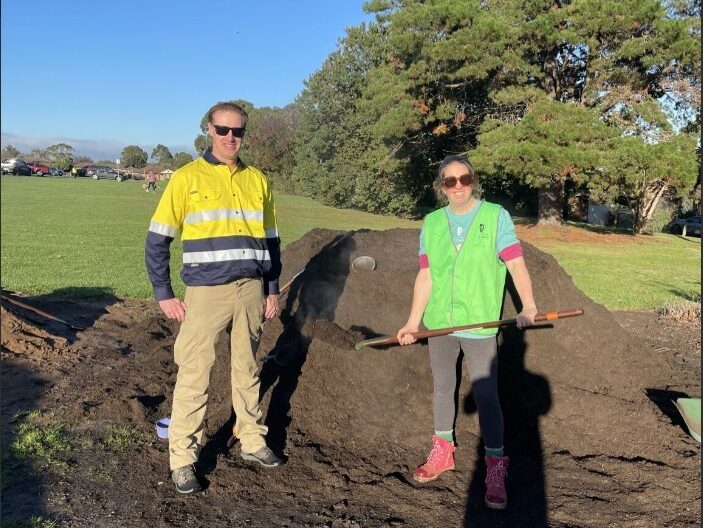
At Vic Grow Garden’s market gardens in Lang Lang and Somerville, the team incorporates Valoriza’s soil conditioner before planting. The grower chose it for its accreditation, availability and minimally contaminated feedstock, and reports improvements in soil structure and moisture retention.
Feedback from growers and soil resellers also informs decisions back at the facility.
“Real-world performance data directly informs how we calibrate our screening parameters and fine-tune batch recipes,” David says.
Councils can help build demand at the other end of the supply chain by specifying recycled soil conditioner for suitable parks and landscaping projects. That end use is central to David’s view of organics recovery.
“The circular economy does not end when organic waste is successfully diverted from landfill – diversion is merely the starting point for our part to play in resource recovery,” he says.
“If FOGO and commercial organics are collected and processed, but the resulting material lacks a viable, high-value end market, the loop is never truly closed.”
To learn more about Valoriza’s soil conditioner, get in touch.