
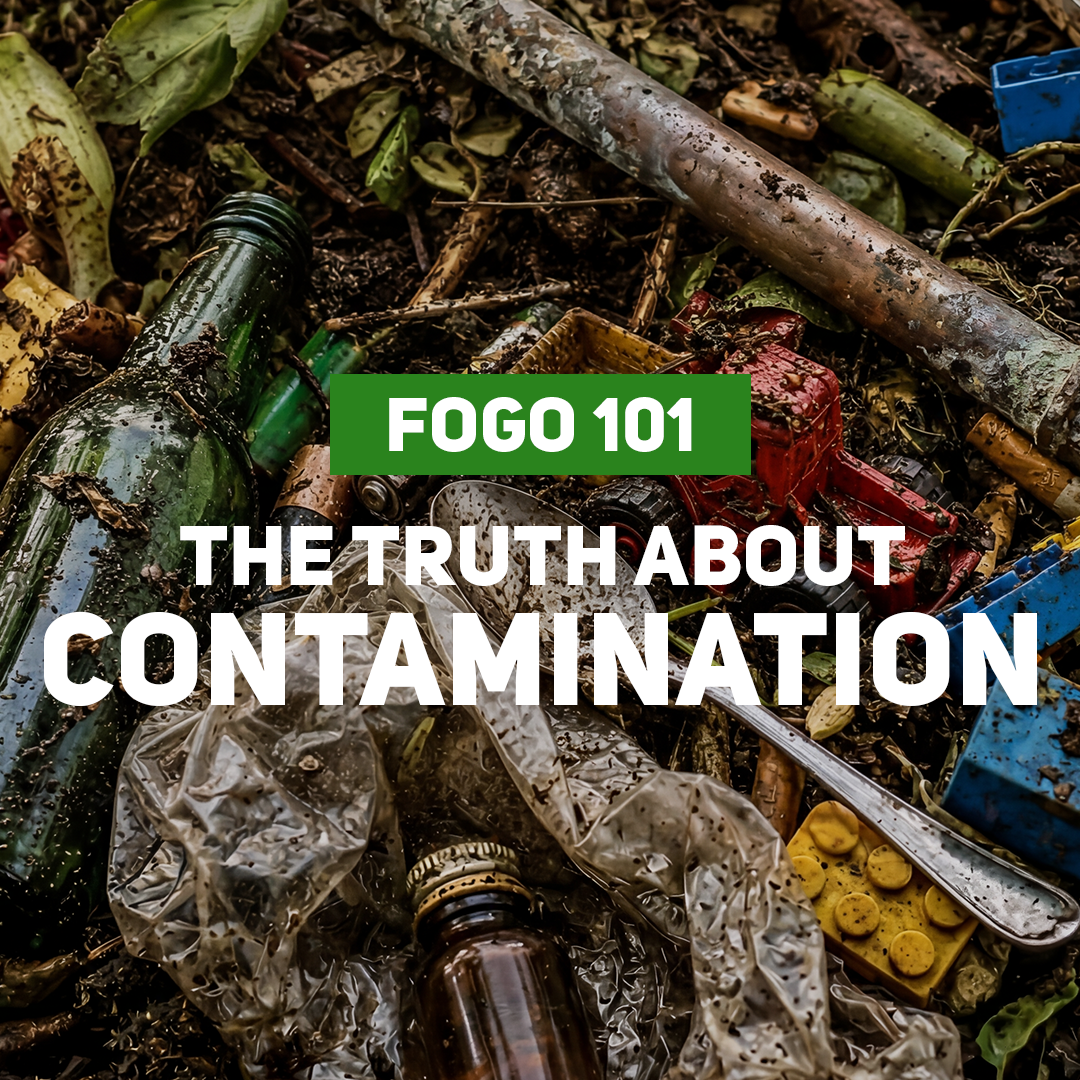
In FOGO systems, what goes into the bin directly impacts what’s produced as a result. While the goal is simple – turning food and garden waste into valuable soil conditioners – contamination can quickly complicate that process.
“Even relatively low levels of contamination can create significant challenges across processing, handling, and disposal,” explains Stuart French, Valoriza Site Manager.
“To maintain quality, additional controls are required to remove contaminants – which can increase operational complexity and cost.”
There are also safety considerations: hazardous items like glass, batteries or clinical waste can pose risks to workers, while heavy or rigid objects can damage critical equipment and lead to unplanned downtime.
What do we see placed in municipal FOGO waste?
While quantities are significantly lower these days, FOGO contamination still tends to fall into a few broad categories – glass and plastics, e-waste and batteries, and a wide mix of household or garden items that simply don’t belong.
According to Stuart, the range is broader than many would think.
“These can include things like kitchen utensils, toys, sports equipment, herbicide containers, garden hoses, and even clothing or bedding,” he says.
Residential FOGO streams are typically more affected than commercial ones, where stricter requirements help reduce contamination at the source. Seasonal patterns also play a role, with higher contamination often seen during festive periods when households generate more waste and routines are disrupted.
And then there are the unexpected finds.
“We’ve seen flares, toy guns, and nitrous oxide bulbs – commonly known as ‘nangs’,” Stuart says. “There have also been more surprising – shall we say ‘adult’ – items that show up more regularly than you might expect.”
The tricky truth about ‘compostable’
Compostable products are often seen as a safe inclusion in FOGO waste – but the reality is more nuanced.
Some materials, particularly compostable packaging like coffee cups or takeaway containers, break down much more slowly than food and garden organics.
“In many cases, these items don’t fully decompose within standard processing timeframes,” Stuart says. “And if these materials don’t break down quickly enough, they can remain in the compost and affect the quality of the final product.”
Even compostable kitchen caddy liners, while helpful for households, require the right conditions. They can be processed through standard systems, but they don’t break down instantly – especially with tightly tied knots – and this needs to be accounted for during processing.
“Not all green-coloured bags are compostable,” says Stuart. “Some ‘recyclable’ or ‘made using recycled plastic’ liners are designed to resemble compostable ones, which can cause confusion.
“Checking product certifications and confirming whether a liner is actually ‘compostable’ is key. When in doubt, it’s best to check with your local council.”
Clearing up FOGO misconceptions
Beyond caddy liners, there are a few common FOGO misconceptions that Stuart says deserve attention.
“Some materials that seem suitable – like large stumps, treated timber or manufactured boards – aren’t appropriate for garden organics recycling and can cause issues during processing.”
There’s also a lingering misconception that source separation doesn’t matter because everything ends up in landfill anyway.
“This simply isn’t true,” Stuart says. “In reality, FOGO recycling systems are specifically designed to recover organic material and transform it into valuable products. This is what makes correct sorting at home or work an essential first step.”
The consequences of contamination
Once contaminants enter the processing system, their impact is immediate and ongoing.
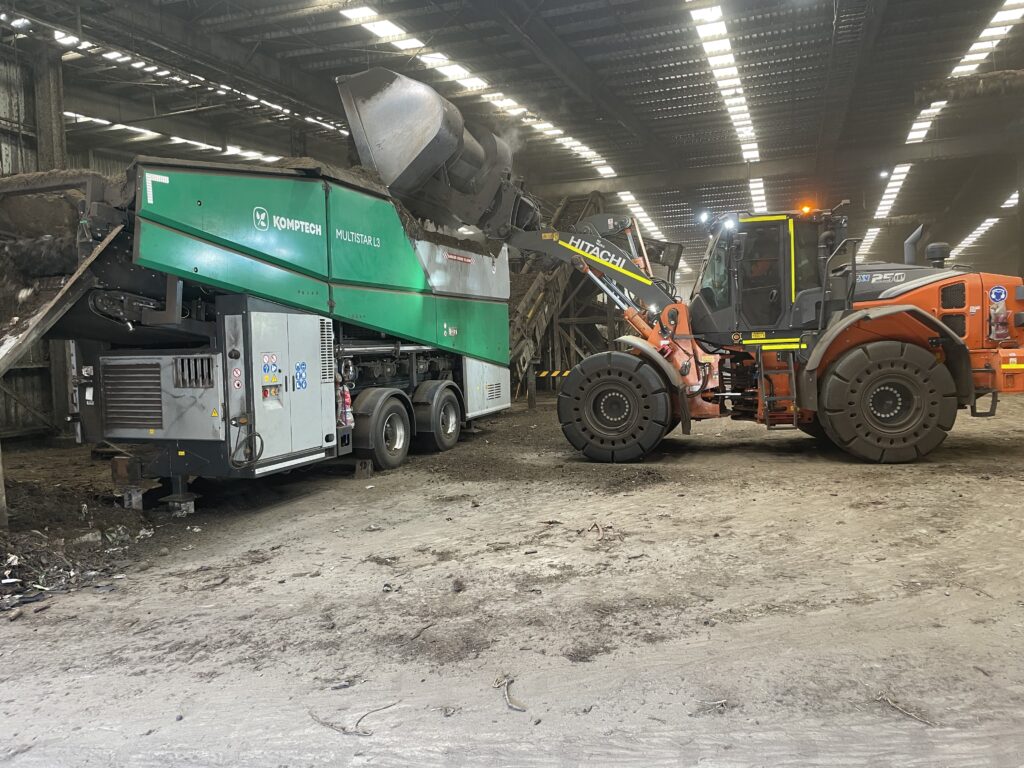
They can cause blockages that slow processing, damage equipment, and require additional, manual handling. Over time, this reduces operational efficiency and increases costs.
As Stuart puts it, “Ultimately, contamination limits the ability to recover resources and divert waste effectively.”
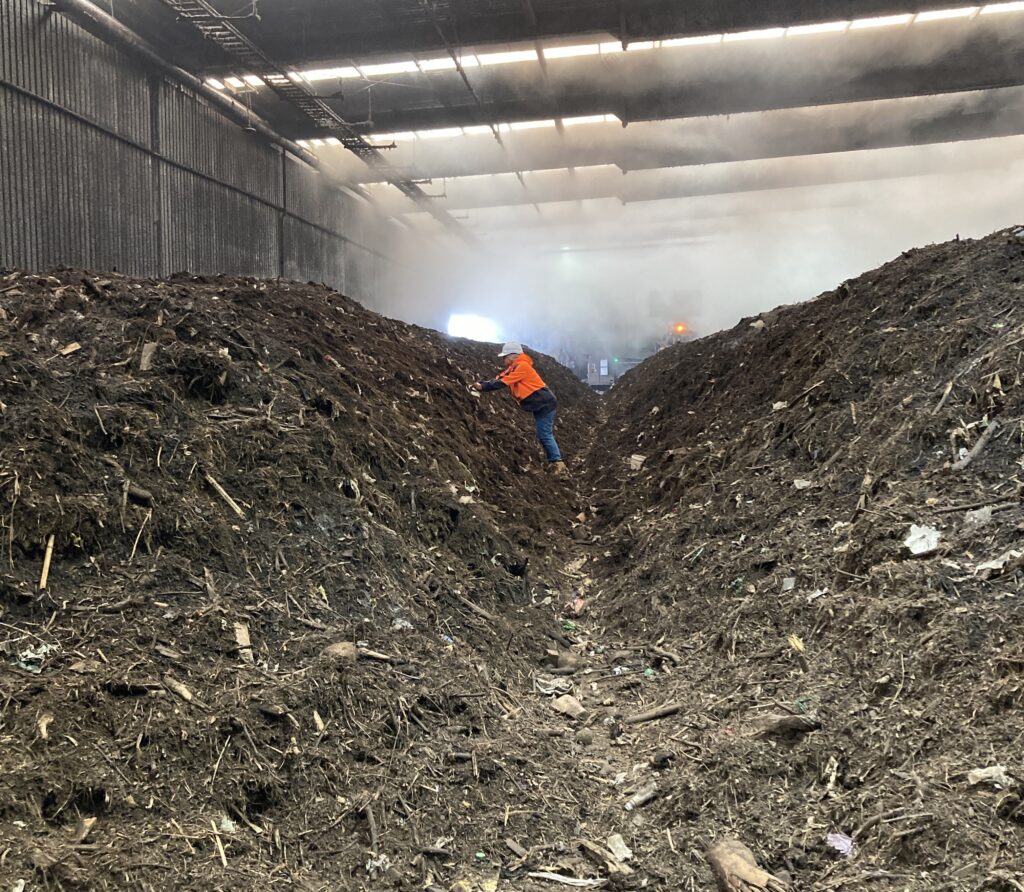
The effects also carry through to the final product. Physical contaminants like glass and plastics reduce compost quality, limit its usability, and can prevent it from meeting required standards.
“In some cases, high contamination levels can make the product unsuitable for use altogether,” Stuart says.
“That said in recent years, we’ve seen contamination volumes significantly reduced as a direct result of our Council customers focusing on community education about FOGO recycling.
“Even though it’s better, contamination still exists, so we continue to support our customers with knowledge and insights into how to reinforce the right messages.”
This is why source separation is so important. Keeping contamination out at the household and business levels supports better processing outcomes, safer operations, higher-quality end products and ultimately contributes to locally closing the loop for organics recycling.
Simple steps to get FOGO right at home or work
A few small habits can make a big difference:
- Avoid placing plastics in kitchen caddies
- Remove any non-organic items before disposal
- Only include food and garden organics
- Only use certified compostable caddy liners.
- Keep feedback separate from the bin – if you aren’t happy with your red bin service, don’t use your FOGO waste to send a message. Contaminating the organic stream hits the wrong people – it impacts local farmers and the environment rather than the service providers. Express any concerns through the proper council or waste management channels instead.
For more information, contact us.