
Modern organics recovery brings together trained workers, heavy mobile and fixed plant, enclosed composting tunnels, automated process controls, odour management systems, quality control, and water management. Here, we take a look inside the infrastructure that helps Valoriza manage organic material safely, efficiently and consistently.
A modern organics recovery facility has more in common with a manufacturing plant than the humble backyard compost heap.
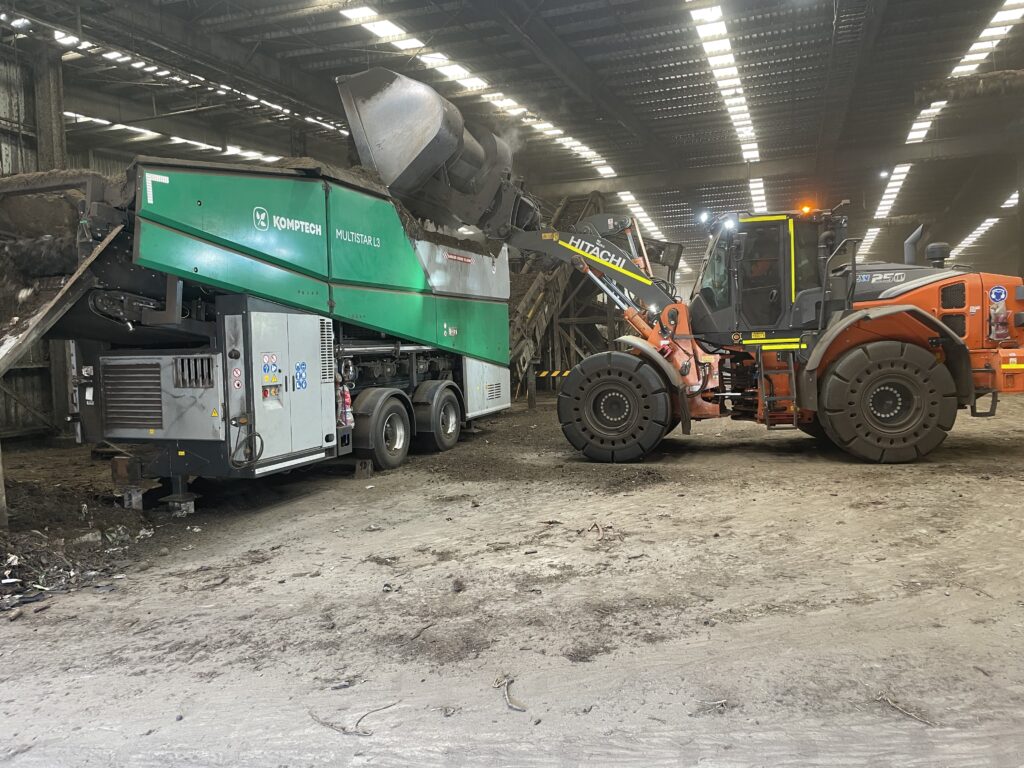
Loaders, conveyors, picking stations, shredders, screening machines and a team of workers prepare the feedstock for composting. Enclosed tunnels, aeration systems, biofilters and water-management infrastructure help maintain the right conditions as it composts. Sensors and automated controls provide workers with a detailed view of the process throughout.
“Most people would be surprised by how much engineering and technology is involved,” says Syed Adnan Ali, Valoriza’s Production Team Leader.
“Modern composting relies on automated controls, sensors, ventilation, water management and laboratory testing, all overseen by skilled workers. It’s not simply a matter of placing organic waste in a pile and standing by.”
Preparing material from the moment it arrives
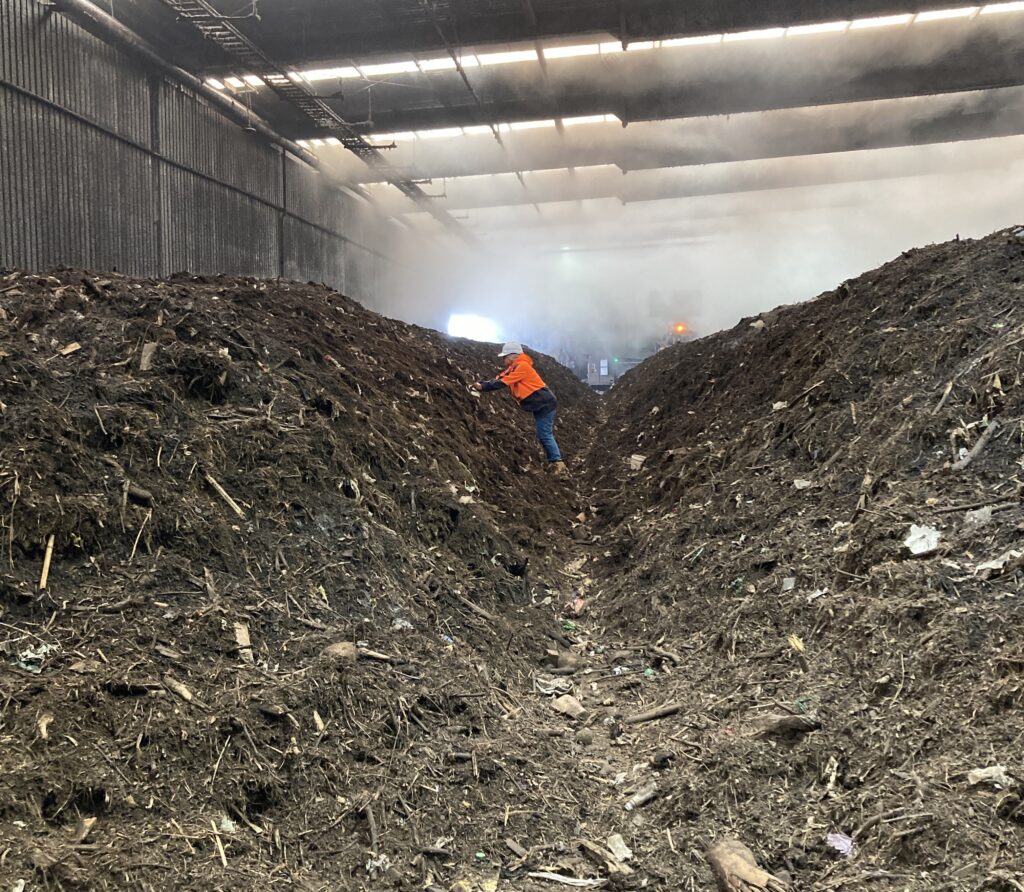
Effective organics recovery begins in the receival section, before material enters the active composting process.
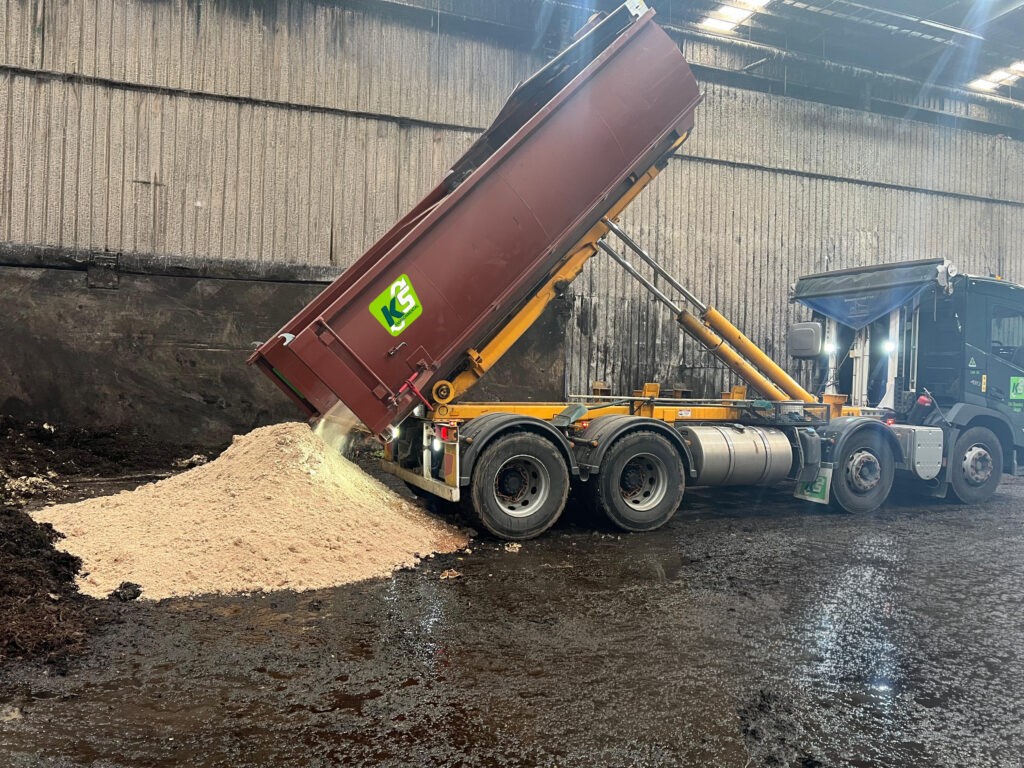
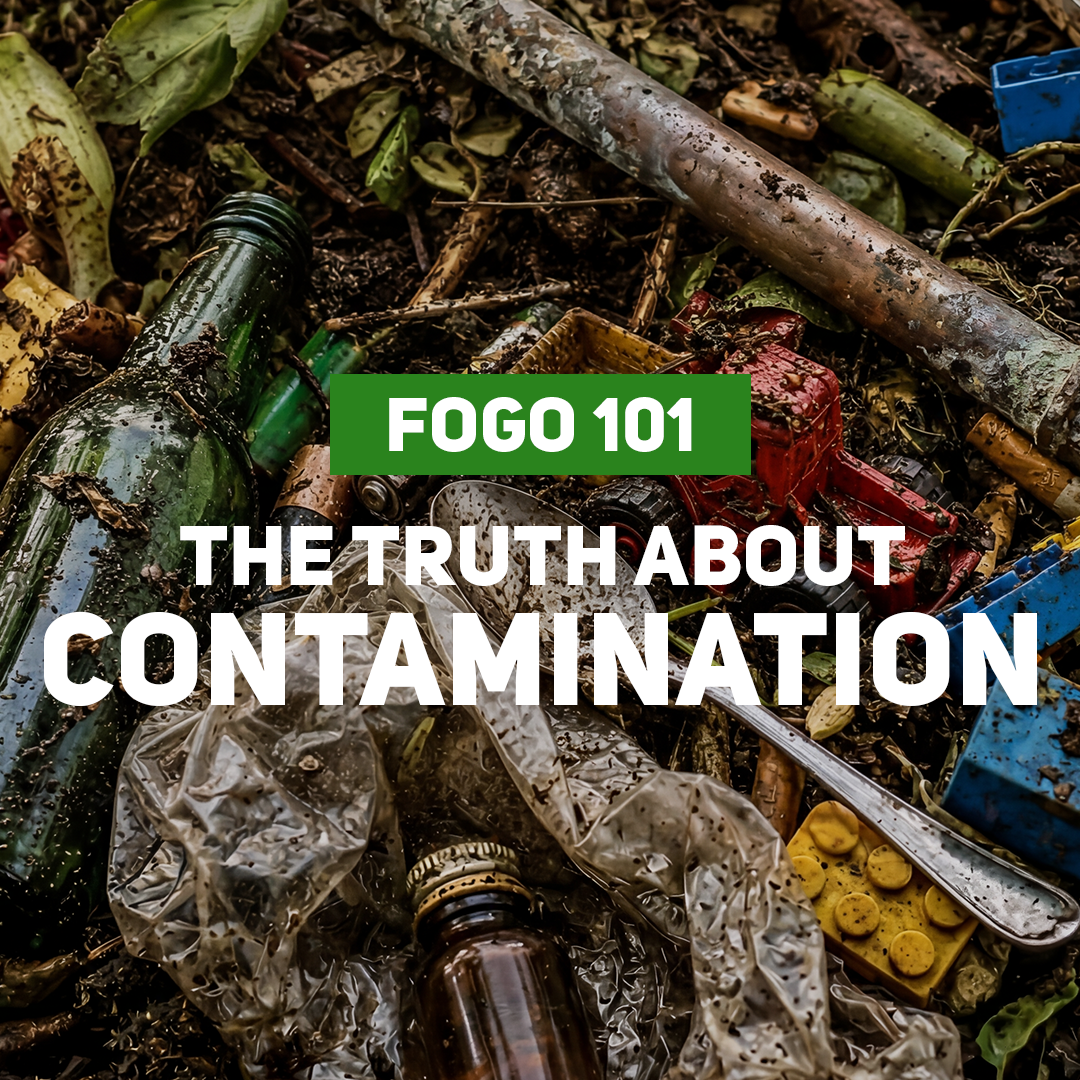
“The receival section gives us the opportunity to understand and prepare the material before composting begins,” Ali says. “That includes checking contamination and moisture, removing unsuitable items and keeping different streams separate where required.” The organics characteristics change seasonally throughout the year.
Different input streams can also be stored separately, allowing materials such as kerbside green waste and commercial food organics to be managed appropriately.
This early preparation helps protect downstream equipment and gives operators a clearer understanding of the material entering the active composting process. It is particularly important because incoming organic waste can vary considerably in moisture, particle size, density and contamination levels.
Creating controlled composting conditions
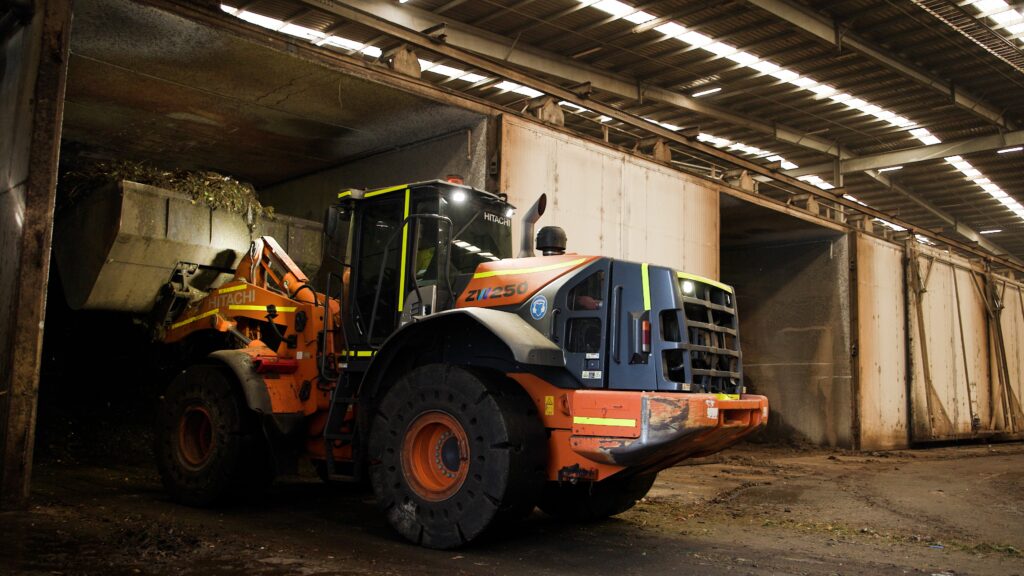
Once separated and prepared, the organic material is loaded into Valoriza’s in-vessel composting tunnels. Within each tunnel, airflow, temperature, oxygen and moisture are actively managed by an automated control system. The control parameters are monitored daily and adjusted as required.
This provides greater process and quality control than traditional open-air composting methods, while also supporting faster processing and stronger odour management.
Aeration is central to this process. By supplying oxygen to the microorganisms responsible for breaking down the organic material, the system helps maintain effective composting conditions.
“Aeration supports the biological process, but it also helps us manage temperature and moisture,” Ali explains. “Maintaining sufficient oxygen prevents anaerobic conditions, which can lead to odour and poor composting performance.” What surprises people is how the composting organics typically reach temperatures up to 70 degrees Celsius. The high temperatures ensure complete pasteurisation.
The enclosed environment also enables operators to respond when conditions begin moving outside the desired range, rather than waiting until the effects become visible later in the process.
Managing air, odour and water
Odour control depends on both capturing and treating air, and preventing unfavourable conditions from developing in the first place. Air from enclosed receival and processing areas is captured and directed through odour treatment systems including scrubbers and biofilters.
Correct airflow and moisture management throughout the composting process also help reduce the conditions in which odours can form.
Water must be managed with similar care. Maintaining a negative water balance means controlling water across the facility so that process water can be reused or removed through composting, rather than producing excess wastewater. This helps reduce freshwater demand, controls leachate generation and supports efficient composting.
“At Valoriza, recycled stormwater accounts for 82 per cent of our site water use,” Ali says. “Water management is closely connected to both environmental performance and the consistency of the composting process.”
Too much or too little moisture can affect biological activity, airflow and processing performance. Water management therefore operates as part of the production system, rather than as a separate environmental consideration.
Following the process through data
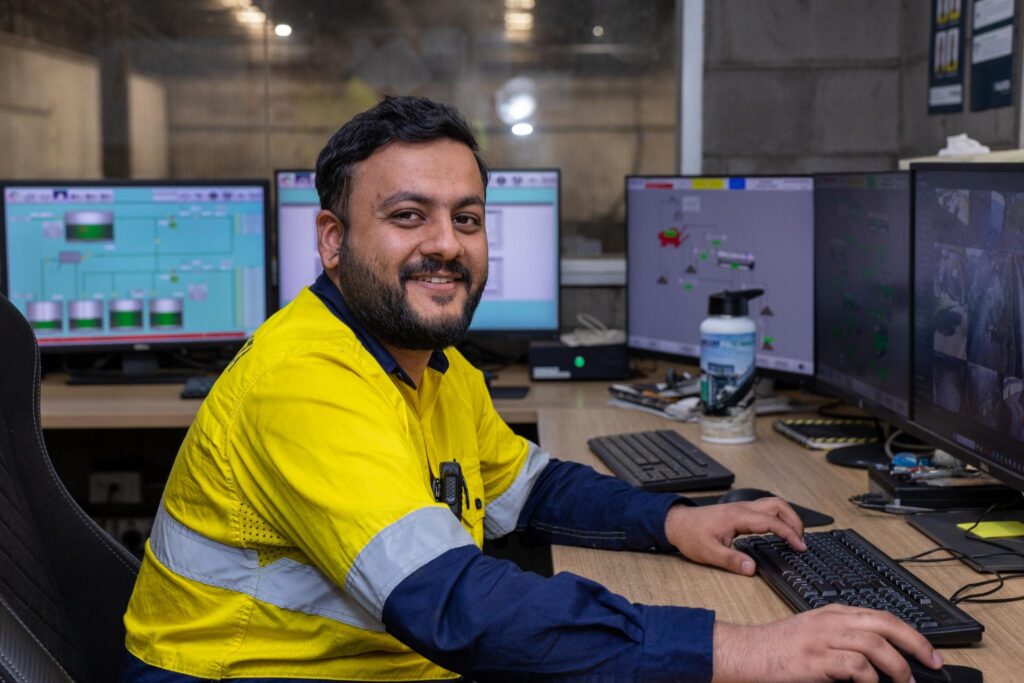
Data turns individual readings into a clearer picture of process performance. Valoriza uses sensors, programmable logic controllers and supervisory control and data acquisition systems – commonly known as PLC and SCADA systems – to monitor conditions throughout the process.
These systems track information including temperature, oxygen, airflow, pressure, equipment status and processing time. Sampling and quality-control processes also record moisture results, material weights, pH, bulk density and other product data.
“We review live readings and historical trends to adjust airflow, moisture, processing time and material handling,” Ali says. “The data can also help us identify faults, blocked airflow paths or sensor issues before they develop into larger problems.
“We then review trends and any emerging issues at weekly production meetings and monthly operations meetings, so we can assess our targets and respond when something needs to be rectified.”
Responding to a changing feedstock
Unlike a manufacturing process built around uniform raw materials, organics recovery must accommodate feedstock that changes from load to load and season to season – with moisture, particle size, density and contamination all varying, alongside challenges such as seasonal weather and equipment wear.
This variability means consistent performance depends on both infrastructure and operator expertise.
“Organic waste is never completely uniform, so maintaining consistency requires us to understand what is coming into the facility and how the process is responding,” Ali says.
“There isn’t one single system that delivers consistency on its own. It comes from maintaining the equipment, understanding the data and continuing to improve how the facility is operated.”
This is why Valoriza continues to invest in the lifecycle and maintenance of its assets – including processing equipment, automation, ventilation, water management and monitoring systems.
Operational improvements – such as refined loading practices, stronger maintenance routines and more detailed data analysis – also help increase reliability and support consistent performance as incoming conditions change.
Producing a reliable, recycled product
The purpose of this infrastructure is not simply to move organic material through the facility. Each system helps Valoriza produce a high quality, certified soil conditioner that is consistent, reliable and suitable for its intended end market customers.
Quality assurance continues throughout processing, with material assessed through sampling, recorded quality data and testing against the requirements of AS 4454, the Australian Standard for composts, soil conditioners and mulches.
This means product quality is shaped by the entire recovery process – from the way incoming material is inspected and prepared through to composting, maturation, refining and final testing.
“Each stage supports the next,” Ali says. “Receival removes contamination, tunnels control composting, windrows allow maturation and refining produces the required product size.
“Then monitoring and quality assurance testing contribute to ensuring the final recycled soil conditioner product is high quality, reliable and consistent.” By doing so, our focus is to responsibly produce quality products with reliable, year-round consistency – delivering a seamless, predictable customer experience every time.
For more information, contact us.