
Why moisture matters
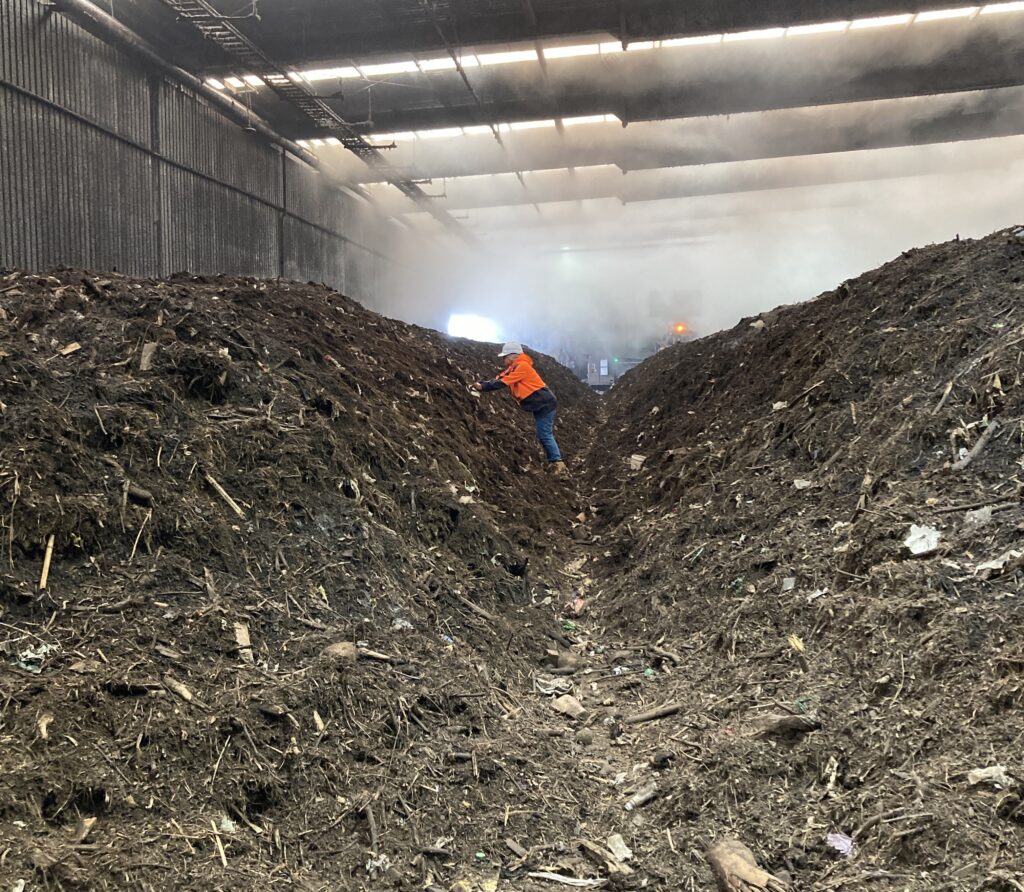
In commercial organics processing, moisture is one of the most influential – and most challenging – variables to manage. This is particularly true in food-heavy FOGO streams, where water content is significantly higher than in garden-only organics.
“Food-heavy FOGO contains higher natural moisture, and this can fluctuate with seasonal variations, making it more difficult to balance compared to garden-only organics,” says Kriushnapriya Sundararajan, Technical & Compliance Manager at Valoriza.
“If that balance is not right, the biological process is directly affected. Too wet – odours and a delayed composting process. Too dry – dehydration rather than proper biological decomposition.”
Both scenarios disrupt microbial activity, and this in turn affects processing efficiency and system stability. Moisture directly influences oxygen flow, temperature consistency and microbial performance inside the composting mass.
In-vessel composting and managing moisture in organics recycling
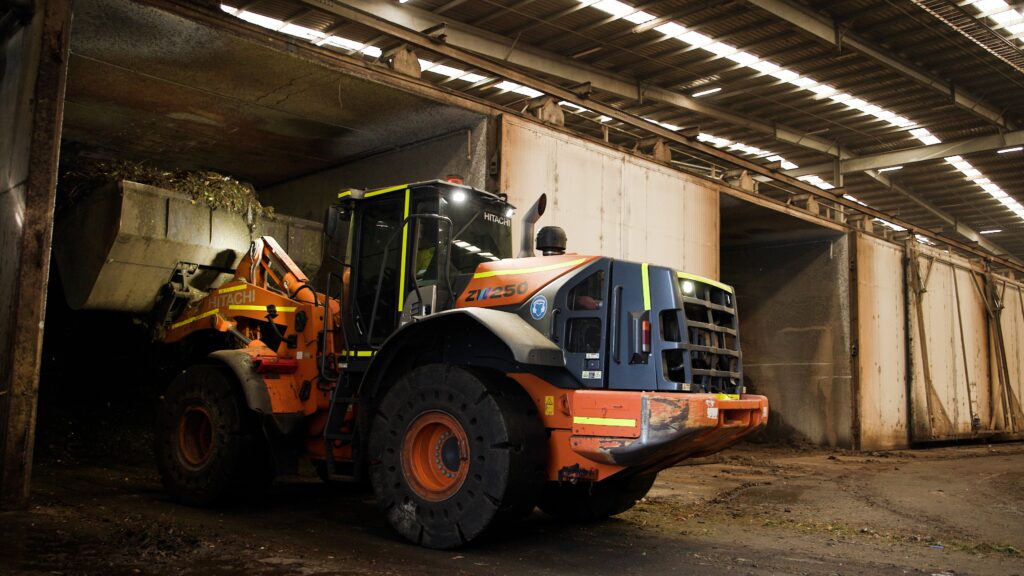
At our facility, moisture control is embedded within the in-vessel operating system – an advanced Waste Treatment Technologies (WTT) system commissioned in collaboration with MECBIO. This enclosed tunnel environment allows tighter control of conditions compared to open windrow systems.
“Moisture is primarily monitored and adjusted in the in-vessel composting process, where conditions can be actively managed to support stable biological activity,” Kriushnapriya says.
Managing moisture at this stage allows operators to respond to variability in incoming feedstocks. And it’s here that our team’s deep operational experience is invaluable.
“Strong understanding of feedstocks and the composting process allows informed blending and operational decision-making,” Kriushnapriya says.
“Experience is critical, as composting involves many variables. Practical knowledge helps operators make smart, timely adjustments.”
Compost quality, consistency, and AS 4454 compliance
Kriushnapriya says moisture management at Dandenong has been strengthened through targeted process improvements.
“Valoriza maintains water balance and has improved water management through our Optimisation Project, eliminating off-site leachate disposal,” she says.
“This discipline directly supports compost quality outcomes. It is key to maintaining steady processing times and achieving consistent, high-quality product outcomes.”
This approach to moisture control, Kriushnapriya explains, ensures overall compliance with Australian product standards – such as AS 4454, which sets requirements for compost stability, maturity, contamination limits nutrient and suitability for soil applications.
“Ultimately, well-managed moisture greatly improves the quality and consistency of the soil conditioner supplied to our customers,” she says.
Valoriza: Strengthening circular organics
At Valoriza, properly managing variables like moisture is part of a broader commitment to strengthening Australia’s circular economy. From collections and organics processing to treatment and recovery, our experienced teams work with councils and partners to divert food and garden waste from landfill and return nutrients to the soil.
Our Dandenong South facility is licensed to process up to 120,000 tonnes of organic waste per year using advanced in-vessel composting technology certified to AS 4454. Every stage of the process is designed to deliver compliant, consistent and transparent outcomes for councils, partners and end users.
“By optimising moisture management,” Kriushnapriya says, “Valoriza is helping build a more resilient, nutrient-rich circular organics system for Victoria’s future.”
For more information, jump in touch.